
GSU Research Fellows, Staff Deliver Surgical Research Lectures in Nigeria
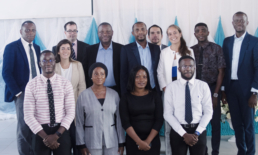
Research fellows and staff of the NIHR Global Surgery Unit (GSU) visited Obafemi Awolowo University (OAU) in Ile Ife, Nigeria on the 14th-15th of September 2023 to deliver a series of lectures to medical students, surgical residents and other health care professionals.
The GSU contingent was composed of Dr Dmitri Nepogodiev- Public Health registrar and Academic Clinical Lecturer; Drs Maria Picciochi and Virginia Ledda- Clinical PhD Fellows; Dr Omar Omar- Senior Statistician and Epidemiologist, and Mr Michael Bahrami-Hessari- Community Engagement and Involvement (CEI) manager.

The first lectures delivered on the afternoon of the 14th were aimed at 4th and final year medical students and included fundamental topics on the purpose of research and identifying a good research problem. This was followed by practical advice on how a research abstract is written and how an effective academic poster is constructed. Highlights of the GSU cluster randomised trial CHEETAH and DRAGON- an upcoming trial aiming to compare reusable versus disposable surgical drapes and gowns, were also presented. The session ended with the GSU visitors sharing practical tips on how to develop a career in research.
On the morning of the 15th, a research forum was held specifically for surgical residents and tackled topics such as generating research ideas, getting patient input and choosing the appropriate study design, research ethics, the basics of statistics, presenting and publishing research and how research can influence health guidelines and practice.

Finally, in the afternoon of the same day, a symposium on global surgery was held with a variety of health professionals in attendance. Topics included the sharing of the highlights of our randomised controlled trials (FALCON, CHEETAH, PENGUIN, DRAGON), cohort studies (COVIDSurg, HIPPO), health economics analysis (LION) and our CEI initiatives most notably the development of our community and patient education toolkit.
OAU is a spoke within the Nigeria Hub and has been a top recruiter in GSU trials.

GSU Patient and Community Education Toolkit Launched
The NIHR Global Surgery Unit launched its patient and community education toolkit during its annual meeting in Lagos, Nigeria on the 12th of September 2023. The toolkit is a library of bespoke, localised resources aimed at addressing patient and carer surgical concerns following community consultations across our Hubs in Benin, Ghana, India, Mexico, Nigeria and Rwanda.
From these consultations the most pressing priority identified was caring for surgical wounds at home. To address this, a concise animated video that teaches patients about the signs, symptoms, and self-management of surgical site infections (SSIs) was co-developed with input from stakeholders. The video has been translated into French, Spanish, Twi, Yoruba, Kinyarwanda and Hindi and can be viewed below:
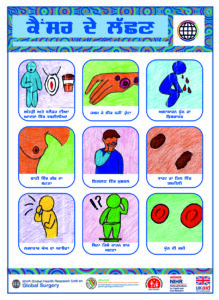
Resources on additional topics identified by the community were also developed. These include early cancer detection, care after laparoscopic surgery, stoma care and what to expect before, during and after surgery. These materials make up the initial version of the dynamic, “living” toolkit which will be continuously refined and expanded as more studies and trials get underway in the unit.
These developed materials will be utilised in community outreach events and post-discharge briefings for our trial participants, and eventually in patient care. They will also be integrated into upcoming trials to evaluate their impact on patients.
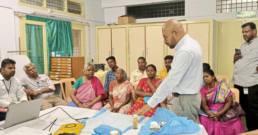
India Hub Reaches Milestone of Training 500+ Practitioners in Wound Management
India reaches key milestone in the Unit’s vision to influence the healthcare landscape using results generated in GSU trials, across the Punjab region.
As shown in previous news articles highlighting the India Hub’s Community Engagement and Involvement (CEI) initiative – a key workstream of each of the hubs across the Unit globally, the team have reported the milestone being reached that will increase awareness on how to reduce wound infection incidence and management amongst local community across India, including the Punjab region, Kolkata and Vellore. Dr Rohin Mittal has been leading the engagements at Christian Medical College (CMC) Vellore, Dr Sonia Mathai at Tata Medical Centre (TMC) Kolkata and Dr Deepak Singh at Chinchpadha Christan Hospital (CCH).
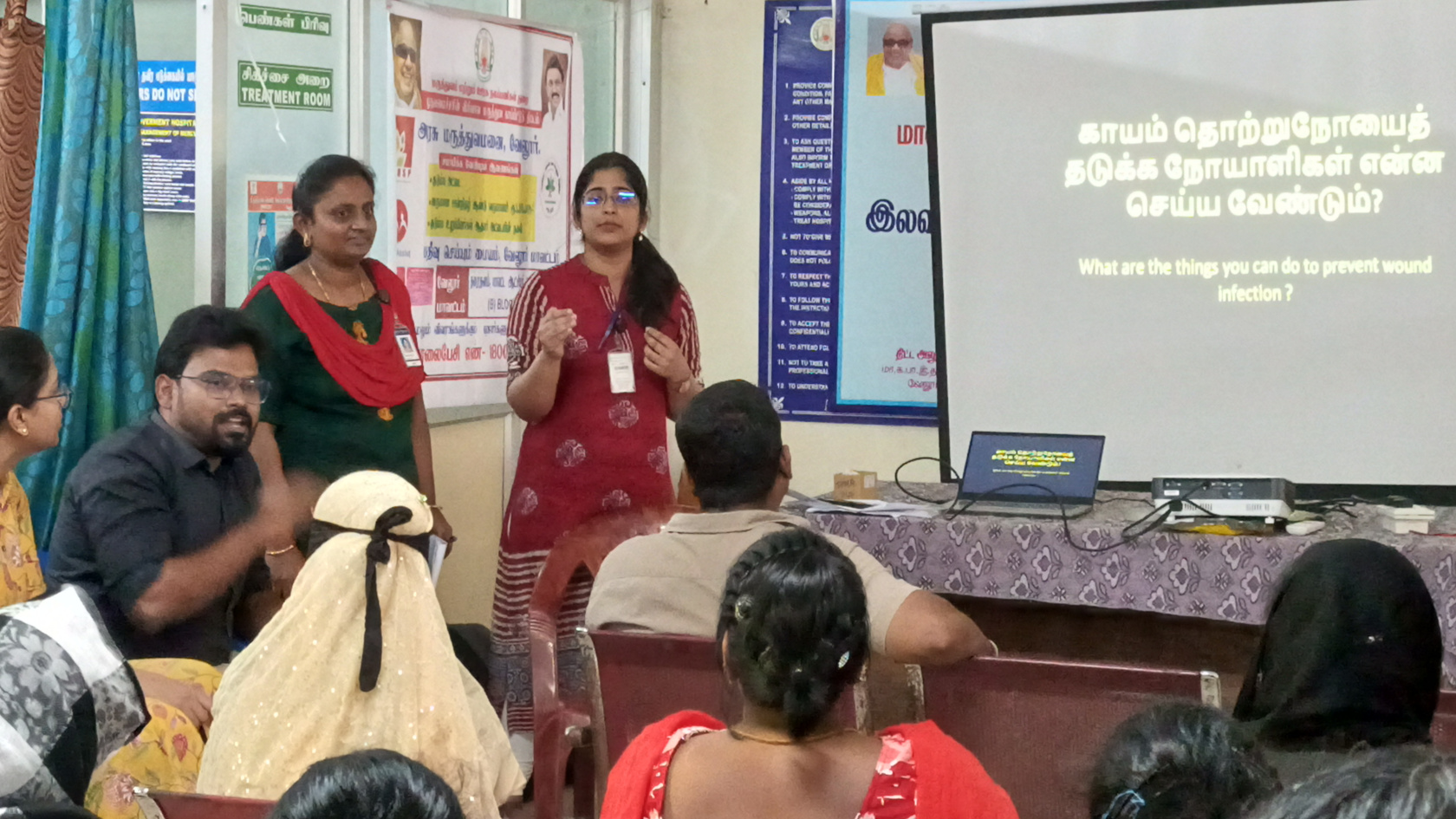
India Hub Manager, Atul Suroy reported that the team have so far managed to travel over 1000km by road where workshops have been co-ordinated in both urban and rural areas, including Doraha, Khanna, Sirhind, Walipur, Hambran, Ayali Kalan, Dakha, Philaur, Raikot, Talwandi Sabo, Barnala and Bathinda. Further to this, Mr. Suroy stated that impact has not only been limited to the community health workers but also local populations, with sessions for local village populations educating them on wound management at home, ointment applications and personal hygiene.
Referral pathways have been created as a result of the various workshops that have taken place, in addition to new channels of communication setup with resident medical practitioners (RMPs’), benefiting the overall footfall of patients accessing the facilities of Christian Medical College in Ludhiana. Recognising the impact of the CEI work undertaken by the hub, the district authority of Punjab has collaborated with GSU CMC to train 2000 accredited Accredited Social Health Ac3vist (ASHAs) of Ludhiana and adjoining 16 districts on Cancer Care, as part of the National Health Mission under the Ministry of Health and Family Welfare (MOHFW) Government of India.
Further information on the evidence generated for the workshops orchestrated across India can be accessed on our FALCON and CHEETAH pages.
For more information on the India team, click here.

Mexico Hub Travels to Mata Cocuite for Wound Infection Prevention Talks
GSU team continue their rollout of community engagement and involvement (CEI) activities in the Veracruz region, during State Department health bridge for local residents.
Research Doctors Melissa Fragoso and Irani Durán were joined by Diana González (Hub Data Manager) and Adda Guzmán (Hub Finance Officer) to continue with their CEI workstream when the team travelled to Mata Cocuite, a small town consisting of approximately 220 inhabitants just outside of Veracruz. The purpose of the visit was to provide information on evidence-based information on recurring issues in daily life relating to the prevention and detection of wound infections and how to safely manage them.
Approximately 30 individuals attended the drop-in to undergo vision exams, vital sign measurements, haircuts, dental check-ups, and medical consultations that took place on the 16th August. As people arrived, the NIHR team gathered them in groups of 10 for a brief talk on wound care and wound infection prevention, delivered by research physicians Dr. Iraní and Dr. Melissa. Additionally, a demonstration was held on how to properly dress minor wounds at home.
Due to their remote location, these communities face challenges in accessing healthcare centres or primary care physicians. Mexico Hub Manager, Dr. Laura Martinez Pérez Maldonado stated that due to the reason it is crucial to educate theses communities on prevention and basic care, reducing the likelehood of such citizens requiring admission to healthcare facilities that may be problematic to access in the first place.
For more information on the evidence used during these talks, you can visit the CHEETAH and FALCON pages on this website.
For more information on the Mexico team, click here.
Mexico Hub Visits Sempra for Workshop on Wound Infection
GSU Hub discuss the prevention and detection of wound infection during community engagement and involvement (CEI) meeting at Sempra energy company in Veracruz.
CEI Manager Nalleley Ortiz and team from the GSU’s Mexico division were given the opportunity on August 17th to speak to collaborators based at Sempra, an energy infrastructure company based in Veracruz that is committed to fostering secure, ecologically responsible, and dependable access to cleaner forms of energy, globally. The workshop that took place enabled the Mexico team to use results obtained from the CHEETAH and FALCON trials co-ordinated across the GSU network.
During the workshop, Nalleley was able to discuss the various work conducted across the hub’s extensive research portfolio and what the team are looking to accomplish with their national CEI workstream. Following on from Nalleley’s discussion, a presentation was given on the prevention and detection of wound infections and surgical site infections (SSI’s). Attendees were afforded the opportunity to pose inquiries, which ultimately led to a wound cleaning simulation orchestrated by a Research Doctor based in the Mexico team.
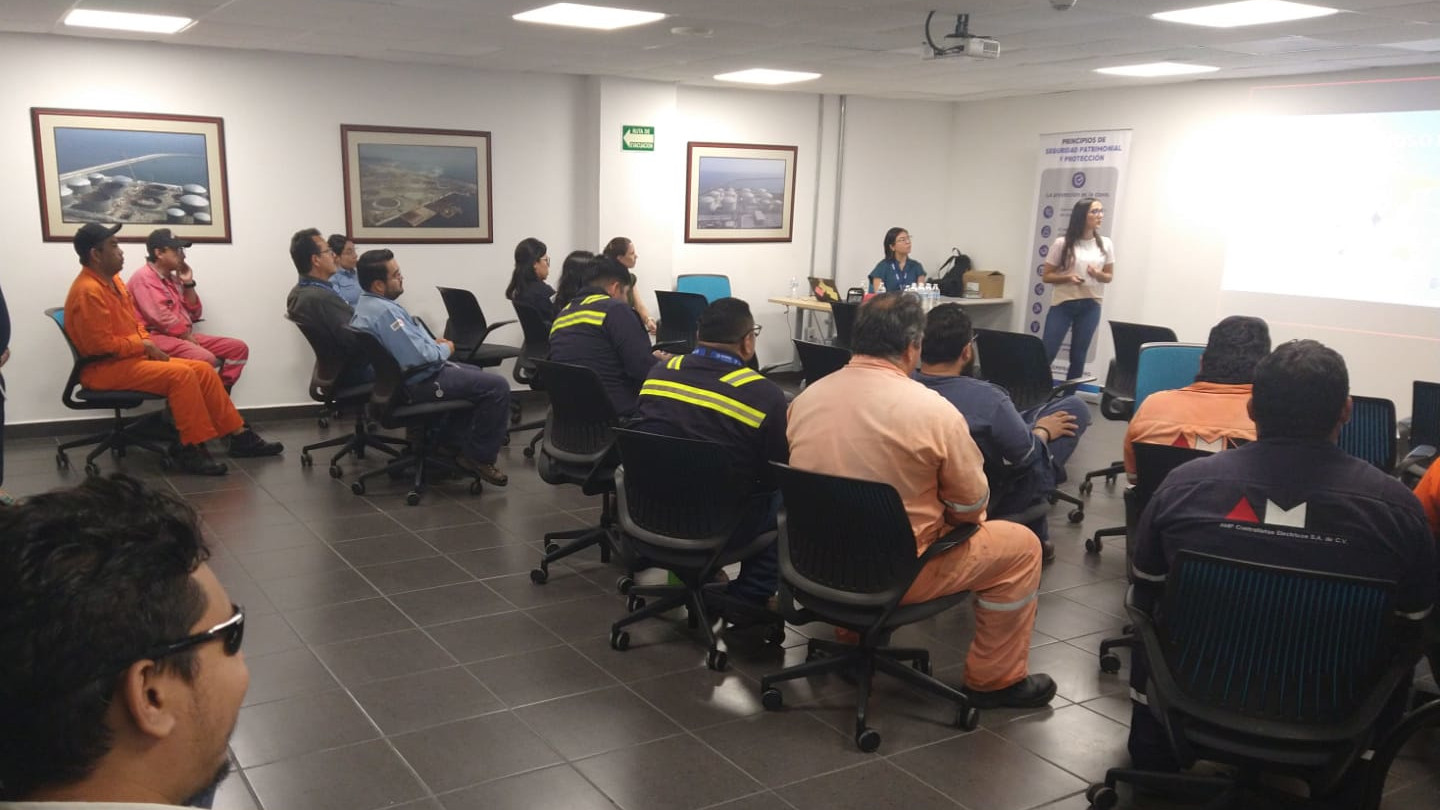
Hub Manager, Dr. Laura Martinez Pérez Maldonado reported that given the prevalence of industries in Veracruz prone to occupational hazards, training in wound infection management could be really beneficial to such organisations. Dr. Pérez Maldonado added that given the geographic separation of these industries from medical facilities and health centres, a deep understanding of these subjects could substantially lower the risk of more severe infections.
More information on the Mexico team can be found by clicking here.
India Hub Continues Rollout of Wound Management Training in the Punjab Region
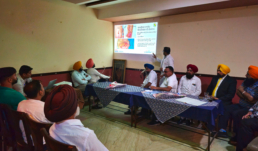
GSU India Hub Team travel to Doraha to train a congregation of Community Health Workers for latest Community Engagement and Involvement (CEI) initiative.
The latest CEI event had members of the India Hub train 35 Community Health Workers on the identification of infected wounds, related treatment and referral pathways for local patients in and around the village of Doraha, located to the south east of Ludhiana where the India hub is based. The session was led by Dr. Deepak Jain (Surgical Oncologist – Christian Medical College Ludhiana) and Atul Suroy (Hub Manager – GSU India Hub).
The workshop was an interactive one with various discussions taking place between all attendees, with the overall response from those in attendance being very positive when feedback was analysed by the team. The Community Health Workers taking part were very keen to learn the new methods of wound management and requested a similar session to take place on a future date with co-workers based in adjoining areas.
The team orchestrating the event placed much emphasis on hand hygiene and how adopting such practices can reduce wound infections, as evidenced by research undertaken across the Unit, including various hospitals from across India’s spoke network. Research discussed included results generated from the completed CHEETAH and COVIDSurg projects, and the impact the evidence has had on millions of people living in the Global South and associated government policies in these regions of the world.
You can find out more information on the India Hub by clicking here.
For more information on CEI across the Unit, click here.
Ghana Hub Orchestrates CPD Accredited Workshop on Surgical Site Infections (SSI's)
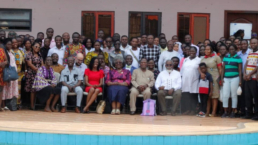
Ghana Hub collaborates with the Ghana Surgical Research Society, Ghana College of Physicians and Surgeons, and the Ghana Chapter of West Africa to deliver workshop on SSI’s.
The workshop that took place on the 19th August in Kumasi brought together various health workers that included surgeons, anaesthetists, nurses and perioperative nurses from across Ghana who took part in the event that utilised results from the completed CHEETAH trial. Also in attendance was the President of the Ghana College of Physicians and Surgeons, Prof. Samuel Debrah who delivered a keynote speech during the event, in addition to a presentation from Dr. Napoleon Sam of the NIHR Global Health Research Unit on Global Surgery Ghana Hub, on the CHEETAH trial results.
Other presentations that took place during the event included a discussion on the cost of SSI’s in Ghana and a talk on Community Engagement and Involvement activities in the Hub and the role it has in the research cycle. The keynote speech delivered by Prof. Debrah focused on the global burden of surgical diseases and the novel ways of addressing such burdens that could help prevent SSI’s from taking place following surgery, a leading cause of hospital re-admission for patients undergoing surgical treatment worldwide.
Further information on the event can be obtained via the official University for Development Studies press release.
For more information on the Ghana Hub, click here.

Roundup of GSU Co-Director, Professor Dion Morton's Trip to Nigeria
Professor Morton meets with key stakeholders at the University of Lagos during trip to Nigeria
During his trip to Lagos, Nigeria to attend the 18th Annual Scientific Conference and Gathering of the Faculty of Clinical Sciences, College of Medicine of the University of Lagos, Professor Morton (GSU Co-Director) was able to meet with various executive stakeholders at the University of Lagos. Notable highlights included a meeting with the Vice Chancellor of the University of Lagos, Prof Folashade Ogunsola represented by Prof L.O. Chukwu to discuss ways to intensify efforts with the University of Lagos in order to attract, train and support researchers to tackle the complexities of health care and social change.
Other key meetings involved a discussion on the commencement of a Masters in Global Surgery programme at the University of Lagos, utilisation of the newly opened data centre for training students, residents, and consultants on statistical data analysis, and piloting the ION-Foxtrot Cancer Interventional Study in Nigeria. Along with Professor Ademuyiwa, Prof Morton met with the Chief Medical Director (CMD) of the Lagos University Teaching Hospital, Prof Wasiu Adeyemo and the immediate past CMD of LUTH, Prof Chris Bode in addition to a visit to the Provost College of Medicine, University of Lagos, Prof Wale Oke.
The 18th Annual Scientific Conference and Gathering of the Faculty of Clinical Sciences which took place between the 25th – 26th July was attended by both Professor Morton and Ademuyiwa who were able to present to a wide audience including students, members of faculty, hub members and other invited dignitaries on the importance and impact of collaborative research during the event. The Conference was also attended by Benin Hub Director, Professor Lawani Ismail and Ghana Deputy Director, Dr. Fareeda Galley.
The annual meeting was kicked off by Prof Adeola Onakoya, a professor of Ophthalmology, based at the University of Lagos who spoke on the topic “A sick eye is a sick body: Multidisciplinary Team as a Research Tool”. At the Opening Ceremony of the Conference on the 25th July, Professor Morton was the keynote speaker, delivering a lecture on the topic “Impact of Collaborative Research; the Reach, the Research and the Riches”, further details of which can be found by clicking here.
You can find out more information on the Nigeria Hub by clicking here.

Benin Hub Holds CEI Event During National Surgical Society Conference
Benin Hub Director joins Benin CEI Lead to discuss patient and community involvement in research during research congress event in Cotonou
The GSU Benin Hub and the Beninese Surgical Society held a joint research congress in Cotonou from the 2nd – 4th August 2023. As part of this, the Benin Hub led by Prof Ismail Lawani and Ms Josette Gnele held a workshop on the basic principles of Community Engagement and Involvement (CEI). The interactive session was attended by surgeons, community health workers and patients from districts where GSU trials are held.
Topics discussed during the workshop touched on the importance of CEI and how it can be integrated into research projects and the practicalities of communicating research findings in lay language to communities. Following the workshop, Prof Lawani outlined the Hub’s plans of establishing a national CEI steering committee composed of patients, community health workers and surgeons.
CEI as defined by the UK’s National Institute for Health and Social Care Research (NIHR) is the collaborative way of working with communities who are most likely to be affected by the research outcomes. CEI activities can range from consulting with patients about the acceptability of a clinical trial to training community members to perform aspects of a project normally delegated to researchers such as data collection.
You can find out more information on the Benin Hub by clicking here.
For more information on CEI activites across the GSU, click here.
Ghana Hub Director Discusses CHEETAH Results with Key Policy Makers in Ghana
Professor Stephen Tabiri joins Professor Dion Morton to disseminate CHEETAH results and provide an overview of other key projects within the GSU portfolio
NIHR Global Health Research Unit on Global Surgery (GSU) Co-Director, Professor Stephen Tabiri was joined by GSU Co-Director Professor Dion Morton from the UK to present on various areas of the Unit’s programme to a delegation of stakeholders from across the Ghanaian healthcare sector. Colleagues in attendance at the meeting on the 12th August in Tamale included nurses, midwives, anaesthesthetists, surgeons and media personnel, alongside key policy makers. Key policy makers included the Northern Regional Director of Public Health and Deputy Northern Regional Director of Nursing from the Ghana Health Services.
During the meeting, Professors Tabiri and Morton highlighted the global burden of surgical diseases, the global incidence rate of Surgical Site Infection (SSI) and also novel ways of addressing the burden of SSI such as through the changing of gloves and instruments at the time of wound closure. Following the keynote address, colleagues from the Ghana Hub team were able to present on results generated from the CHEETAH Trial and also discuss the KIWI study that argues against the notion that it is exepensive on health systems to implement CHEETAH.
Other notable areas of discussion included the role of Community Engagement and Involvement (CEI) in the research cycle, with insight into some of the resources developed, following engagements with surgical patients and their relatives on stoma care.. The meeting also enabled the team orchestrating the event to present on some of the new projects being delivered by the Hub including HIPPO, GECKO and TIGER.
You can find out more information on the Ghana Hub by clicking here.